7 Cybersecurity Tips Every Small Business in Nigeria Must Know in 2026
Cybercriminals are increasingly targeting small businesses in Nigeria, and most owners do not even know they have been attacked until it is too late. The good news? Protecting your business does not have to be complicated or expensive.
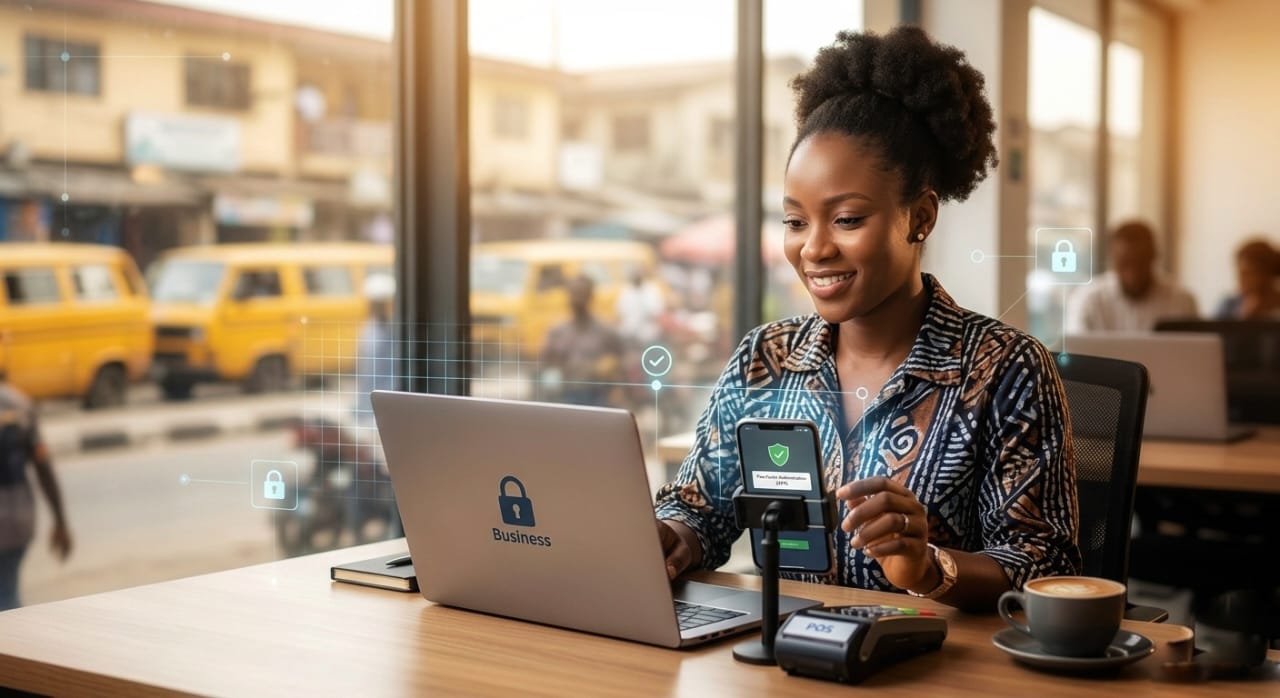
If you run a small business in Nigeria, whether it is a shop in Wuse Market, a logistics startup in Lagos, or a pharmacy in Ebonyi or Port Harcourt, your business is online in some way. You have WhatsApp for customer inquiries, an email for invoices, maybe a website, or a POS machine. That means you have something cybercriminals want.
In 2024 alone, Nigeria ranked among the top countries in Africa for cyberattacks on businesses. Phishing scams, data breaches, ransomware, and fraudulent bank transfers are not just problems for big corporations. They are very much a small-business problem, and most victims never fully recover.
Here are seven practical cybersecurity steps every Nigerian small business owner can start with today.
7 Essential Steps To Protect Your Business
TIP 01—Use strong, unique passwords
Avoid using your business name, date of birth, or "12345" as passwords. Use a mix of letters, numbers, and symbols, and do not use the same password across accounts.
TIP 02—Turn on two-factor authentication (2FA)
2FA adds an extra layer of security. Even if a hacker gets your password, they still cannot access your account without the second verification step, usually a code sent to your phone.
TIP 03—Train your staff on phishing
Most cyberattacks start with a fake email or WhatsApp message. Teach your employees never to click suspicious links or share login details, even if the message looks official.
TIP 04—Back up your data regularly
Store copies of important business files, customer records, financial data, and contracts on an external hard drive or a cloud service. If ransomware strikes, you will not lose everything.
TIP 05—Keep software up to date
Those update notifications are not just annoying pop-ups, they contain security fixes. Outdated apps and operating systems are easy targets for hackers. Always update promptly.
TIP 06—Secure your Wi-Fi network
If your business uses Wi-Fi, make sure it is password-protected and separate from the one you give customers. An open or weak Wi-Fi network is an open door for intruders.
TIP 07—Work with a trusted IT partner
You do not have to figure this out alone. Having a reliable ICT company review your systems, set up protections, and respond to threats can save you millions in potential losses.
Another thing to note is "business email compromise" (BEC), as it is one of the most common frauds hitting Nigerian businesses right now. A criminal impersonates your supplier or a staff member via email and redirects a payment to a fraudulent account. Always verify payment changes through a phone call and never just by email.
The Cost of Doing Nothing
Many Nigerian business owners assume cybersecurity is a luxury they cannot afford. However, the average cost of recovering from a cyberattack (lost revenue, data recovery, and reputational damage) far exceeds what basic protection costs. A single compromised email account can derail weeks of business operations.
What I am saying is that you do not need a massive IT budget to stay safe. Start with strong passwords, 2FA, staff awareness, and regular backups, and build from there. Small consistent steps make a big difference.
And at Exelsor Projects Limited, we work with small and medium-sized businesses across Nigeria to build secure, reliable digital systems. From cybersecurity audits to staff training and ongoing IT support, our team is ready to help your business stay protected.
Ready to secure your business? Reach out to us today and let us talk about the right cybersecurity plan for your business size and budget.