Common Online Scams and How to Avoid Them
The internet has made life easier in many ways. Today, we can shop online, transfer money, pay bills, apply for jobs, communicate with people across the world, and even run entire businesses from our smartphones and computers. While these technological advancements have created countless opportunities, they have also created new opportunities for cybercriminals.
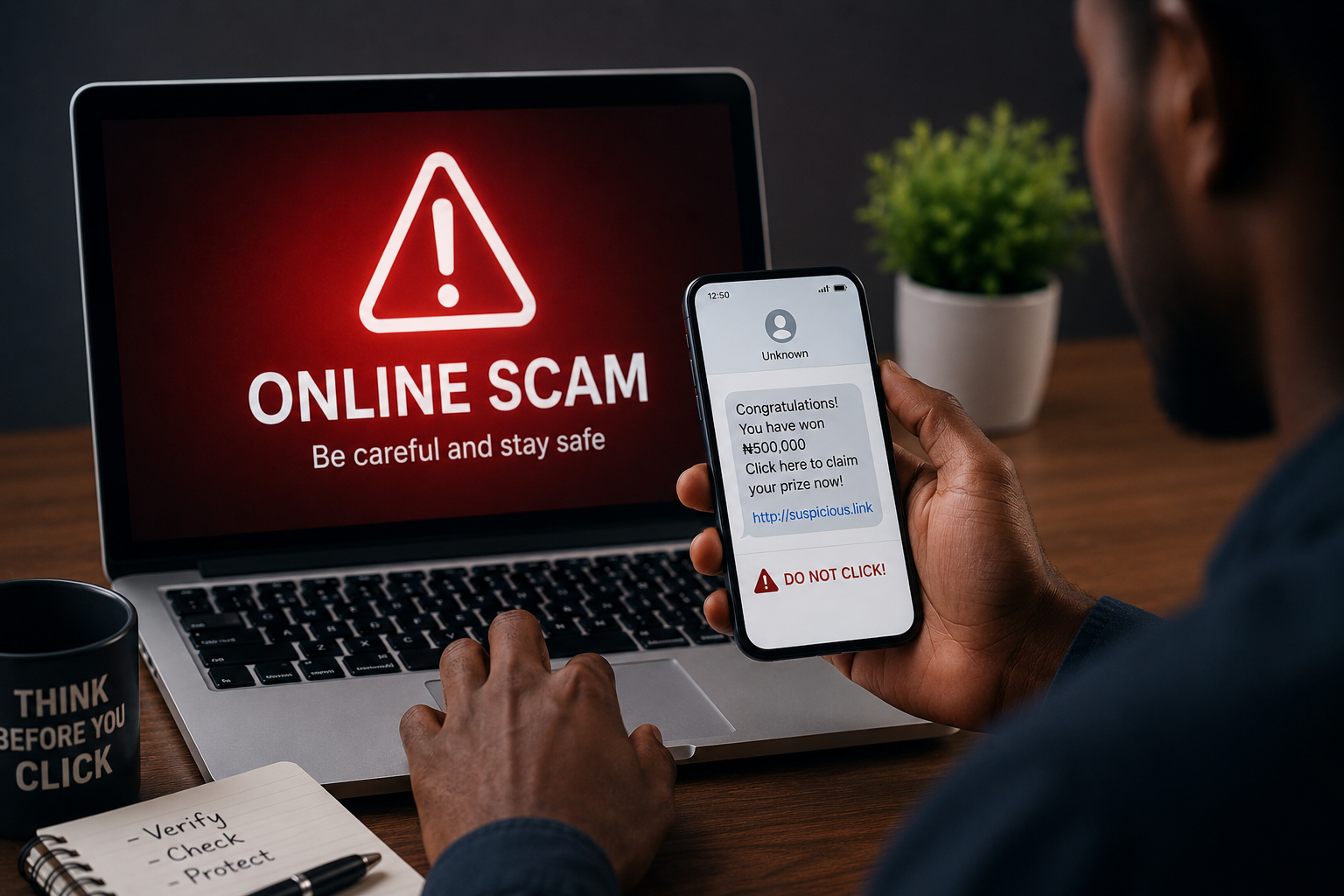
Online scams have become more common than ever, affecting individuals, businesses, students, and professionals alike. Every day, thousands of people lose money, personal information, and access to important accounts because they fall victim to online fraud. Unfortunately, scammers are becoming smarter and more creative in the methods they use. They often disguise themselves as trusted organizations, friends, employers, banks, or government agencies to gain people's trust.
The good news is that most online scams can be avoided if you know what to look for and take the right precautions. Understanding how these scams work is the first step toward protecting yourself and your valuable information.
One of the most common online scams today is phishing. This happens when scammers send emails, text messages, or social media messages pretending to be legitimate organizations. They may claim to be from your bank, a delivery company, a government agency, or even a popular social media platform. Their goal is usually to trick you into clicking a link and providing sensitive information such as passwords, account details, or credit card information.
These messages often create a sense of urgency. You might receive a message saying that your account has been suspended, your package could not be delivered, or your bank account has been compromised. In a moment of panic, many people click the link without thinking. Once they enter their information, the scammers gain access to their accounts.
To avoid phishing scams, never click on suspicious links. Always verify messages directly through the official website or customer support channels of the organization. If an email or message seems unusual, take a moment to examine it carefully before taking any action.
Another increasingly common scam is the fake job offer scam. With many people searching for employment opportunities online, scammers take advantage of job seekers by posting fake vacancies or sending attractive job offers. These scams often promise high salaries, remote work opportunities, and immediate employment.
After gaining the victim's interest, the scammers may request payment for registration, training materials, background checks, or equipment. In some cases, they collect personal information that can later be used for identity theft.
A simple rule to remember is that legitimate employers do not ask candidates to pay money before getting a job. If a company requests payment as part of the hiring process, it should immediately raise suspicion.
Online shopping scams have also become widespread. Fraudulent websites often advertise popular products at extremely low prices to attract buyers. Once payment is made, the product is either never delivered or turns out to be completely different from what was advertised.
Before making a purchase online, take time to research the seller. Look for customer reviews, verify contact information, and ensure the website uses secure payment methods. If a deal seems too good to be true, it probably is.
Social media scams continue to grow as more people spend time on platforms such as Facebook, Instagram, WhatsApp, and X. Scammers may create fake profiles, impersonate trusted individuals, or promote fake investment opportunities. Some promise unrealistic returns on investments, while others use emotional stories to request financial assistance.
One of the reasons social media scams are effective is because they often exploit trust. People tend to believe information shared by someone they know or follow. However, it is always important to verify information before sending money, sharing personal details, or clicking unfamiliar links.
Another dangerous form of online fraud is the lottery or prize scam. Victims receive messages claiming they have won a lottery, scholarship, grant, or special reward. The only requirement, according to the scammer, is to pay a small processing fee or provide personal information to claim the prize.
The reality is simple: if you never entered a competition, you probably did not win one. Genuine organizations do not ask winners to pay fees before receiving prizes.
Investment scams have become particularly common in recent years. These scams often promise quick profits with little or no risk. Scammers may use professional-looking websites, fake testimonials, and persuasive marketing tactics to convince people to invest their money.
Many victims are attracted by the possibility of making easy money. Unfortunately, after making deposits, they discover that the investment platform is fake, and their money is gone.
When evaluating any investment opportunity, remember that every legitimate investment carries some level of risk. Be cautious of anyone guaranteeing exceptionally high returns within a short period.
Identity theft is another serious concern in today's digital world. Identity thieves collect personal information such as names, addresses, phone numbers, bank details, passwords, and national identification numbers. They use this information to commit fraud, access financial accounts, or impersonate victims.
Protecting your personal information should be a priority. Avoid sharing sensitive details publicly online, use strong passwords, and enable two-factor authentication wherever possible. These simple measures can significantly reduce the risk of becoming a victim.
Businesses are not immune to online scams either. Cybercriminals frequently target organizations through fake invoices, business email compromise attacks, ransomware, and other forms of cybercrime. A single successful attack can result in financial losses, operational disruptions, and damage to a company's reputation.
This is why businesses must invest in cybersecurity awareness, employee training, and reliable security solutions. Technology alone is not enough. Employees must also understand how to recognize and respond to potential threats.
One of the most effective ways to stay safe online is to develop healthy digital habits. Always verify information before acting on it. Avoid sharing sensitive information unnecessarily. Keep your devices updated with the latest security patches. Use strong and unique passwords for different accounts. Be cautious when downloading files or clicking links from unknown sources.
Most importantly, never allow fear, excitement, or urgency to cloud your judgment. Scammers often rely on emotional reactions to make people act quickly without thinking. Taking a few moments to verify a message or opportunity can save you from significant financial and personal losses.
In conclusion, online scams are becoming more sophisticated, but they are not impossible to avoid. Awareness remains your strongest defense. The more you understand how scammers operate, the better equipped you will be to recognize warning signs and protect yourself.
As technology continues to evolve, staying informed is no longer optional; it is essential. By practicing safe online habits and remaining cautious when interacting online, individuals and businesses can enjoy the benefits of technology while minimizing the risks that come with it. In today's digital world, a little caution can go a long way in protecting your money, information, and peace of mind.